A Beginner's Guide to Essex Pub Etiquette: Ordering, Tipping, and Sunday Roasts
A proper Essex pub runs on unwritten rules. Nobody hands you a menu at the door. Nobody minds if you sit down before you've ordered. Nobody thinks it strange if you ask the person pulling your pint how their week has gone. But get the small things wrong — hovering at the wrong end of the bar, waiting to be seated, asking for a roast at four in the afternoon — and you'll feel it. Here's the shortcut version: how to order, when to tip, and what to expect when Sunday lunch is chalked up on the board.
Ordering at the Bar
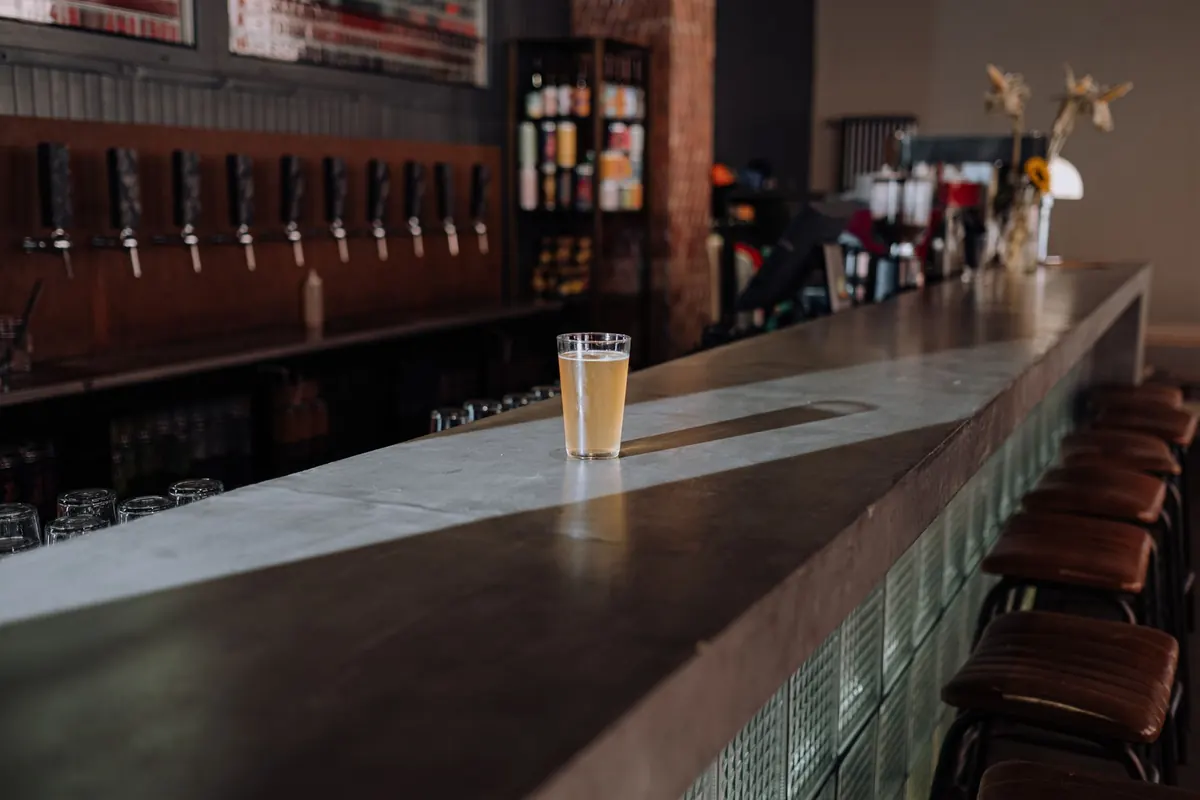
Most Essex pubs, from the coastal ones around Leigh-on-Sea to the village locals out past Saffron Walden, work the same way: you go to the bar. There's no host, no waiting list, and no reserved corner unless someone has booked a table for food.
Stand at the bar, roughly facing it, and wait. Staff keep an informal track of who's next, and they're better at it than you'd think. Leaning over the pumps or waving a note won't speed anything up. If you're in a group, one person ordering the first round is normal and easier for everyone.
Come knowing what you want. "A pint of the bitter and a large white wine, please" is a better sentence than "what lagers have you got?" That said, asking what's on cask is perfectly fine, and most staff will pour you a small taster if you're unsure.
A few practical points:
- Pay as you go. Running a tab is common in bigger food pubs, but smaller ones prefer you to settle up with each order.
- Order food at the bar too in most places. Note your table number — usually a wooden block or a number painted on the table — and tell the staff.
- Card is fine almost everywhere now, but some pubs still set a minimum for card payments. A bit of cash in your pocket saves an awkward moment.
- Menus live on the bar, on a board by the door, or already on your table. If you can't find one, ask rather than guess.
Small Manners That Go a Long Way
Buy a round if you're drinking with others. If someone buys you one, get the next. If you're on soft drinks, nobody cares — you buy your own and no one comments on it.
"And one for yourself" is a genuine offer when you're being served by the landlord or landlady who owns the place. It isn't expected, and it isn't quite a tip — it's a small, warm gesture. If you're not sure whether the person behind the bar is the owner, a plain thank you is plenty.
Take your glasses back to the bar if there's a collection point. Move along if a table is reserved. Keep dogs on leads unless the pub says otherwise, and ask before letting children loose in the garden. That covers most of it.
Tipping: When It's Expected and When It Isn't
Tipping in Essex pubs is optional. Nobody will chase you down the road.
At the bar, ordering drinks: nothing. You can round up if you like, but it genuinely isn't the norm.
With table service in a food pub: around ten per cent, or rounding up to a convenient note, is a fair and generous default. Check the bill first — many places add a service charge automatically for larger tables, and you don't need to tip again on top of that.
If you're paying by card at the table, the card machine usually offers a tipping option before you tap. Declining it is not rude.
Sunday Roast: What You're Actually Ordering
Sunday lunch is the biggest meal most pubs serve all week, and in Essex it's an event. Tables get booked days ahead, roasts sell out by early afternoon, and gravy jugs travel around the room like they're on a route.
What lands on the plate
- A joint of meat: roast beef, roast chicken, or pork with crackling, sometimes slow-cooked lamb shoulder.
- Roast potatoes, cooked in fat until the edges catch and go crisp.
- Yorkshire puddings. Traditionally served with beef, though most pubs bring them out regardless of what you've chosen.
- Seasonal vegetables, often cabbage, carrots, peas or greens, sometimes cauliflower cheese as an extra.
- Gravy, plus horseradish, apple sauce or mint sauce depending on the meat.
How to order it well
Most pubs cook a set number of roasts for the day and stop when they're gone. Book ahead if you want a table after one o'clock. Walk-ins are often fine from noon, but don't build your afternoon around it.
At a carvery, you queue with a plate, the chef carves the meat, and you help yourself to vegetables. Take a sensible portion rather than building a tower — you can always go back for more.
If you want a starter, order it at the same time as the roast. Small kitchens work to one sitting, and staff will pace the courses out for you. And if the pub has a second sitting booked, don't camp at the table for two hours over an empty plate; move to the bar or the garden and let them turn it around.
Quiz Nights, Sport and Other House Rules
Look for what's pinned up near the door. A pub with a quiz night on a Tuesday and football on a Saturday has two completely different personalities, and regulars know which one they're walking into.
On match days, the television sound goes up and conversation goes down. That's not rudeness, it's just the room. If you want a quiet pint, pick another evening. If you want the football, arrive before kick-off — seats near the screen go early.
Your First Visit: A Five-Minute Plan
- Walk in and look for a menu, a board, or a table that suits you. Sitting down first is normal.
- Check what people are doing. Almost always, they're ordering at the bar.
- Wait your turn, know your order, pay as you go.
- Eating? Take your table number to the bar with you.
- Tip on table service, not at the bar.
- Booking a Sunday roast? Ring ahead, and aim for lunchtime rather than late afternoon.
Do that and you'll be treated like a local by your second visit. Essex pubs aren't precious about newcomers — they're just particular about how things are done. Once you know the shape of it, the whole thing becomes very easy, and the roast is worth the effort.
Photo: cottonbro studio / Pexels

Volunteering in Essex: A Checklist for Finding the Right Role
Choosing where to volunteer in Essex gets easier with the right questions. This practical checklist covers...

Essex School Catchments Explained: What Homebuyers Need to Know
A practical guide to how school catchments and oversubscription rules work across Essex, and what families...
About Us